

How do you switch to period pants?
The simplest route is a backup for the first few wears, pants alone on light and medium days once you trust them, and Super Heavy pairs for the first day and nights as you build the set. Nobody needs to go all-in on day one, and nobody needs to apologise for keeping a pad in the drawer.
Here’s the plan across one 30-day cycle, assuming your period lands in week one. If it lands later, shift the rows; the order stays the same.
| Week | What you’re doing | Pairs in use | Backup? |
|---|---|---|---|
| Before day 1 | Order 3 pairs; wash and air dry them; try on for fit | 3 | n/a |
| Week 1 (period) | Day 1-2: pants with a pad or tampon as backup, at home where you can. Day 3 onwards: pants alone on lighter days. Rinse and wash each pair after wearing | 3 | yes, days 1-2 |
| Week 2 | Period over. Note which days leaked, which pair felt damp when, and what you ran out of. Decide what to add | 3 | n/a |
| Week 3 | Add pairs if you need them (a Super Heavy for day one or nights, a Light for the tail end). Wash new pairs | 3-5 | n/a |
| Week 4 (next period) | Pants alone, Super Heavy on day one and overnight, Medium or Heavy in between, Light at the end. Backup only if you choose | 3-5 | your call |
Which absorbency should you start with?
Start with pants rated for your heaviest day rather than your average day, because a pair that’s too light is the most common reason first-timers see leaks and give up. Brand A lists picking the wrong absorbency as the number one first-timer mistake.
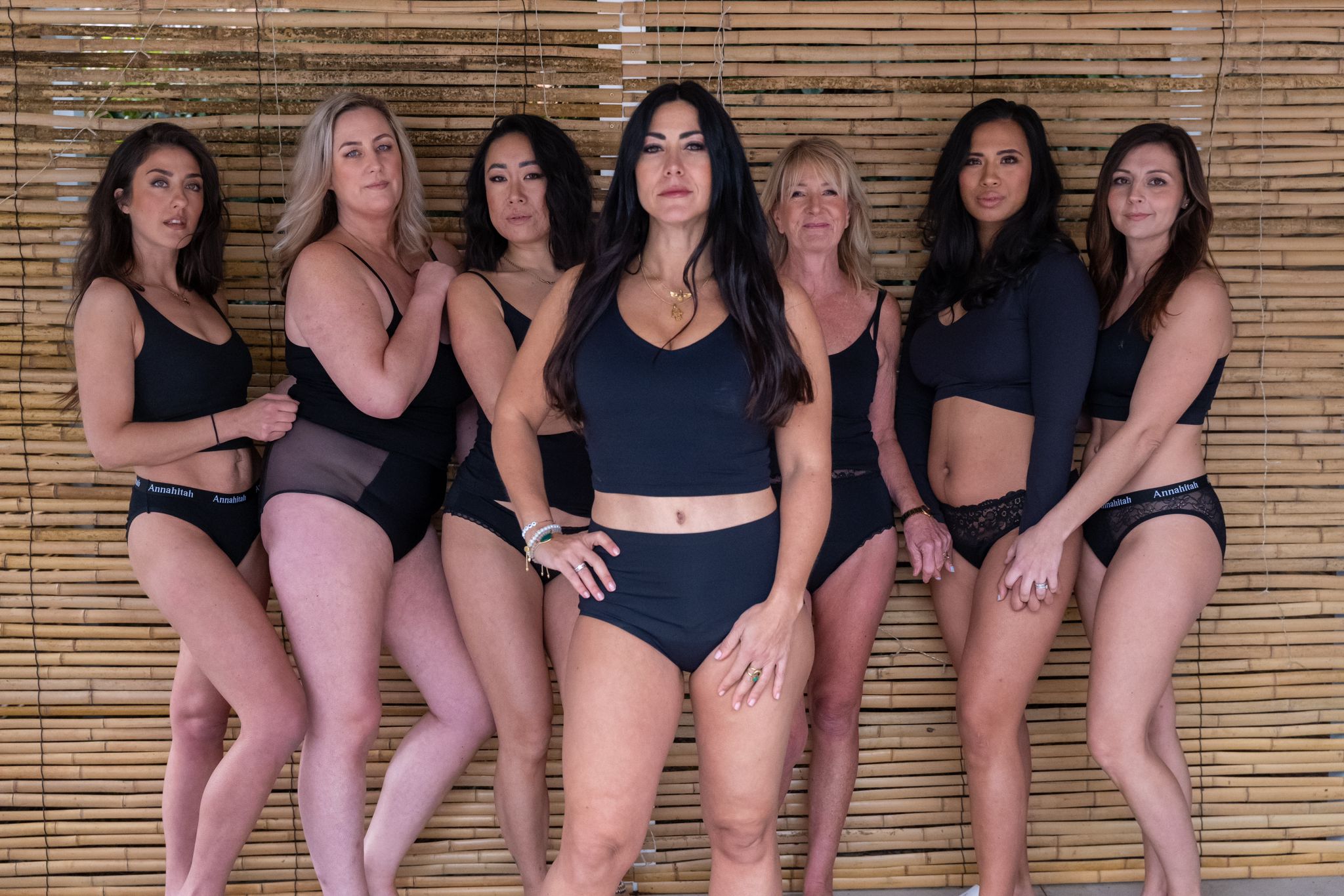
Annahitah has four levels. Super Heavy styles (Shanti, Odessa, Valentina and Athena) are rated at 6-8 tampons’ worth and are the ones designed for overnight and the first day. Heavy styles such as Serendipity and Lilah, and Medium styles such as Luna and Gaia, are rated at 3-5 tampons per wear. Light styles (Venus, Nirvana and Eden) are thongs for the tail end of a period or for everyday wear.
If you don’t know how heavy you are, buy for heavy. A Super Heavy pair on a light day is comfortable and a bit over-specified. A Light pair on a heavy day is a leak.
How many pairs do you need for the first month?
Three pairs cover a first test cycle and five let you stop buying disposables, which lines up with the 3-5 pairs Annahitah says usually cover a whole cycle with washing and drying between wears.
Other brands’ numbers run higher. Brand B suggests three Heavy pairs to start and six or seven to switch fully. Brand A says three or four with frequent laundry, seven or eight without. Which? assumed five to eight pairs for exclusive use in its 2022 costing.
The difference is laundry speed. If you rinse each pair the day you wear it and run a 30°C wash every other day, three pairs rotate. If you wash once a week, you need as many pairs as you have period days. The plan above assumes you’ll rinse the same day and wash every two or three days, which is the routine most people settle into.
What should you do before the first wear?
Wash and air dry new pants before wearing them, and expect absorbency to improve over the first three or four washes. Brand C and Brand D both say to wash before first use; Brand E says to rinse new pants in cold water. Brand F explains why it matters: pants can take three or four washes to reach full absorbency, so a leak in the first wear or two isn’t the pants failing.
Try them on dry. They should feel snug through the gusset with no gaping at the leg. Some brands advise sizing up if you’re between sizes; Annahitah runs the other way, saying its sizes are on the generous side and to size down if in doubt.

A fit for your flow.
Find your level of protection, then choose the shape that feels right for you.
Find your pair Explore styles, flow ratings & sizesWeek one: how do you test period pants safely?
Wear them at home on a light or medium day, or on your heaviest day with a towel under you, and keep a pad or tampon as a backup until you’ve seen what the pants hold. Both routes are valid and brands recommend both.

What is the gentle route?
One brand’s advice is to start on lighter days. You wear the pants alone, there’s little to catch, and you learn what damp feels like without any risk. Then you move to a heavier day with a pad inside the pants for one or two wears, and compare what the pad caught with what the pants would have had to hold.
What is the direct route?
Brand E suggests the opposite: try your heaviest day at home, so you learn the limit of the pair in one go. A towel on the bed, a pad inside the pants for the first few hours, and a spare pair within reach. Moral Fibres recommends the same towel for the first heavy night.
Whichever you choose, the skill you’re building is noticing the signal to change. Brand F lists them: the inner layer feels wet, blood is visible on the top surface, the gusset feels heavier or stiffer, or you see a leak at the edge. Brand E adds dampness, chafing and pooling on the fabric. Which? suggests changing after up to about 8 hours, or sooner if the pants feel wet, smell or leak. Annahitah publishes no hours figure; its guidance is to change when the pants feel damp, and to swap a Super Heavy day pair for a second Super Heavy pair at night.
Weeks two and three: how do you build a routine?
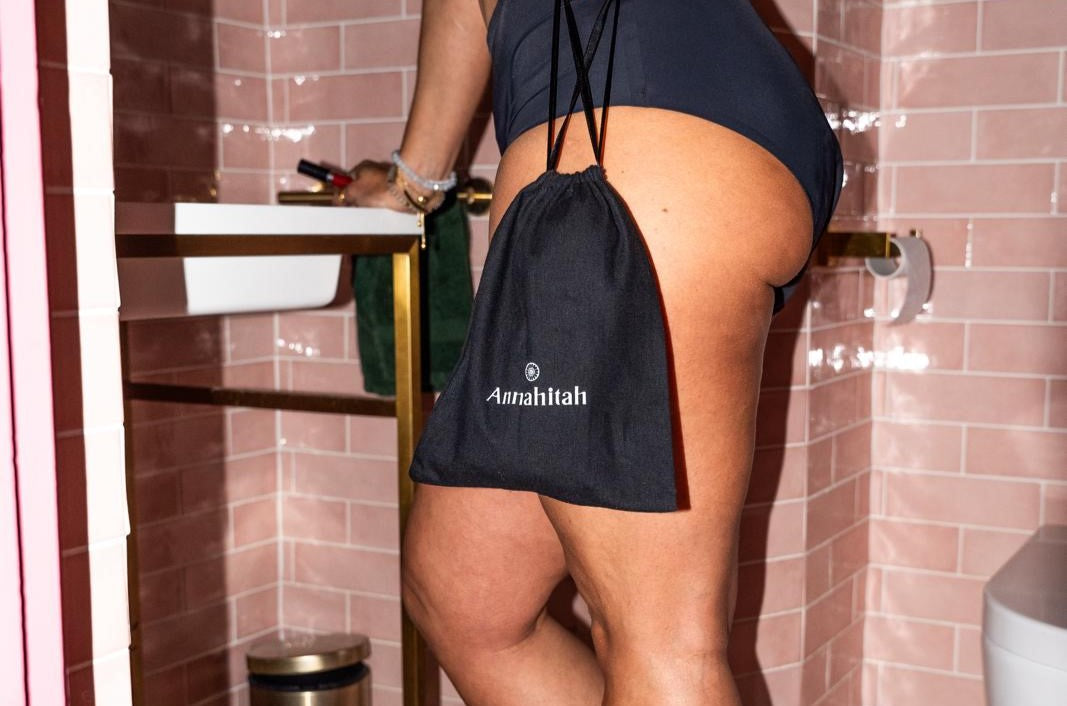
Rinse each pair in cold water as soon as you take it off, machine wash at 30°C on a gentle cycle with your darks, skip softener and bleach, hang to dry, and keep a spare pair in the Eco-bag that arrives with every Annahitah order.
The rinse is the step that matters most. Cold water lifts fresh blood before it sets; warm water fixes it. Hold the gusset under the cold tap until the water runs clear, squeeze, and either wash straight away or leave to dry until wash day. Full washing detail, stains and drying tips are in our wash and care guide.
Week two is also when you review. Note which days leaked, which pair was damp by lunchtime, and whether you ran out of clean pairs. Those three answers tell you what to add in week three. Most people add a Super Heavy for day one and nights, or a Light pair for the last two days when a Heavy feels like too much.
For days out, the Eco-bag holds a spare pair on the way there and the used pair on the way home. Change in a cubicle as you would a pad, fold the used pair gusset-in, bag it, rinse when you’re back.
What does the first cycle feel like?
Most people notice the gusset but not wetness, and a damp or heavy feeling is the signal to change rather than a sign that something’s gone wrong. The top layer wicks moisture into the absorbent layers below, so skin stays drier than it would against a full pad.
What takes getting used to is the absence of things. No rustle. Nothing to carry to the toilet. Nothing to unwrap.
The other adjustment is the rinse. Some people find handling a used pair off-putting for the first few wears. Rinsing in the shower, which Brand B suggests, makes it a non-event. Teenagers can rinse their own pairs from the start.
What are the most common first-time worries?
Leaks, smell, fit and the rinse come up in nearly every forum thread about starting period pants, and each has a plain answer.
- Leaks on day one or overnight. Usually a too-light pair, pants that haven’t had their first few washes, or a pair worn past damp. Move up a level, give new pairs three or four washes, and change when damp.
- Smell. Which? found the best pants had no odour after a full day’s wear and the worst had a slight smell from five hours, so the brand matters. Changing when damp and rinsing promptly covers most of it. Annahitah offers a silver-free antimicrobial finish on six styles for extra odour control.
- Fit. Snug, not tight, with no gap at the leg. Check the brand’s size chart against your measurements rather than your usual dress size.
- The rinse. Cold tap or shower, thirty seconds, done.
- Cost. Three to five pairs upfront is more than a pack of pads. Which? put the break-even at about six months of exclusive use, and reusable period underwear has carried no VAT in the UK since 1 January 2024.
By day 30, how do you know the switch has worked?
You’ve been through one full period with no disposables except any you chose as backup, you know which days need Super Heavy, and you have a rotation that dries before you need it again. That’s the whole test.
If you’re not there yet, the usual gap is one pair. A Super Heavy for the first night, or a Light for the last two days, finishes most rotations. If you’re starting from scratch and want the three pairs chosen for you, Annahitah’s starter set for first-timers is two Super Heavy pairs (Valentina and Shanti) and one Heavy (Serendipity), which covers day one, a night and a medium day, and leaves you to add a Light pair later if you want one.