
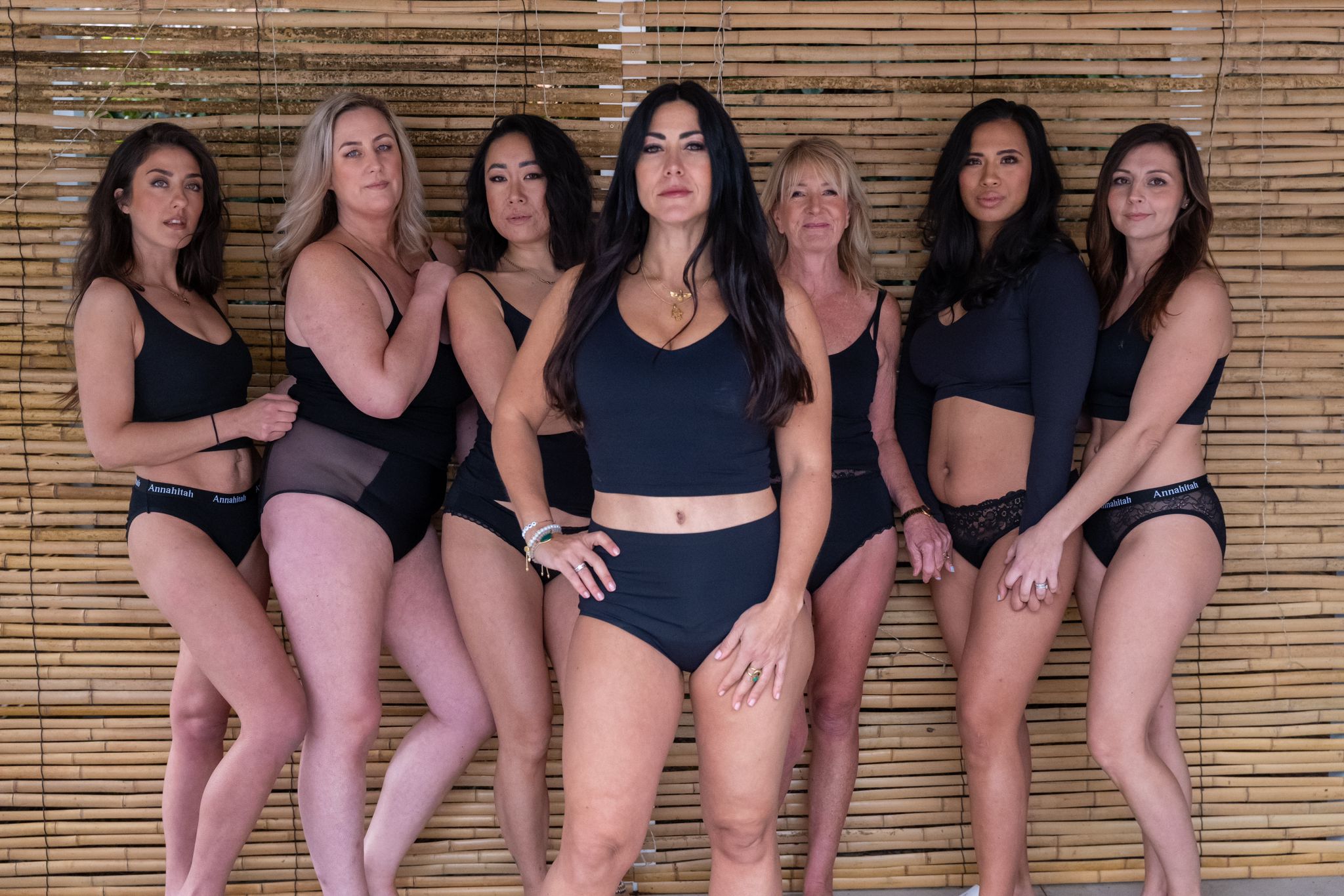


Are period pants better than pads?
Yes, for most people on most days, and no on the handful of days when a pad’s disposability is exactly what you need. The two products do the same job in different ways, so the honest answer depends on which trade-offs bother you.
| Disposable pads | Period pants | |
|---|---|---|
| How they work | absorbent strip stuck inside your knickers | absorbent and leak-resistant layers built into the knicker |
| Change frequency | every 3-4 hours (Brand A); every 4 hours (Brand B) | when they feel damp; Which? suggests up to about 8 hours |
| Cost over two years | about £192 for pads and tampons (Which?, May 2022) | about £96 for eight pairs (Which?, May 2022) |
| Reusable? | no, though washable cloth pads exist | yes; Annahitah quotes 18 months to 3 years with care |
| Plastic | up to 90% of a single-use pad (Environmenstrual factsheet, citing UNEP) | synthetic layers in most styles, kept for years |
| Skin | rash from friction, adhesive, fragrance, trapped heat | fabric moves with you; no adhesive |
| Best for | first periods, backup on flooding days, travel, the days after birth | all-day wear, nights, sport, anyone who finds pads bulky |
| Learning curve | none | none, though absorbency builds over the first few washes |
How do period pants and pads work differently?
A pad is a disposable absorbent strip with a sticky back that you press into your own knickers; period pants build the absorbing, wicking and leak-resistant layers into the gusset of the garment itself. You wear the pants as your underwear, rinse them afterwards and put them in the wash.
That difference changes how they feel. A pad is a separate object that sits on top of fabric, so it can shift, bunch and rub. Period pants are one piece of fabric, cut to fit, so nothing moves independently of you. The independent UK blogger Moral Fibres describes pants as not rubbing, rustling or riding up, and feeling more breathable than disposables.
Annahitah’s pants use four layers: a moisture-wicking layer against the skin, absorbent and breathable middle layers, and an outer layer. How those layers hold blood is covered in our how period pants work guide.
How often do you change pads and period pants?
UK brands advise changing a pad every 3-4 hours, while period pants are changed when they feel damp, which on a light or medium day may mean one pair for the whole day. Brand A says every 3-4 hours for a pad regardless of flow; Brand B says every 4 hours.
Period pants don’t come with a clock in the same way. Brand B says its pants can be worn for up to 12 hours; Which? advises changing after up to about 8 hours, or sooner if the pants feel wet, smell or leak, and never beyond 12. Annahitah gives no hours figure. Its guidance is to wear a Super Heavy pair through a heavy day, swap to a second Super Heavy pair for the night, and change whenever the pants feel damp.
On a heavy day you may change pants as often as you’d change a pad. On the other days, you’ll change far less.
Which is more comfortable and kinder to your skin?
Period pants, for most wearers, because pad rash comes from friction, adhesive, fragrance and trapped heat, and a well-fitting pair of breathable pants removes three of those four at once. Brand A lists the causes of pad rash as rubbing, contact dermatitis from the fragrance or adhesive, heat and sweat trapped against the skin, changing too rarely, and thrush.

Pants aren’t magic. If you leave a damp pair on for hours, you’ll still be sitting in moisture, and changing when damp matters as much as it does with a pad. The point is that there’s no adhesive against your skin, no scent, and far less rubbing.
If a rash doesn’t clear after you stop using pads, or you have signs of infection, see your GP or a pharmacist.

A fit for your flow.
Find your level of protection, then choose the shape that feels right for you.
Find your pair Explore styles, flow ratings & sizesWhich costs less over two years?
Period pants cost about half as much as disposables over two years at the prices Which? used in May 2022: about £96 for eight pairs against about £192 for pads and tampons for a medium flow with twelve periods a year. Which? expected the pants to last around two years and put the break-even point at about six months of exclusive use.
Pads win the first week. Own-brand supermarket pads were 3-4p each in 2022 and branded ones 9-13p, so a pack costs a couple of pounds and a pair of period pants costs ten times that. The saving only shows up if you keep wearing the pants.
Two things have shifted since 2022. Reusable period underwear has carried no VAT since 1 January 2024, when The Value Added Tax (Women’s Sanitary Products: Reusable Underwear) Order 2023 brought it into the zero-rated group pads were already in. And laundry has a cost that comparison pages skip: a cold rinse and a share of a 30°C dark wash, which is small but real.
Prices have moved since then, so treat the Which? figures as the shape of the saving rather than today’s bill.
Which is better for the environment?
Period pants, by a wide margin, because a single-use pad can be up to 90% plastic and the UK landfills an estimated 200,000 tonnes of menstrual waste a year. The 90% figure comes from the Environmenstrual factsheet citing UNEP; the 200,000 tonnes is City to Sea’s figure.
Scale makes the difference. The Women’s Environmental Network estimates that a person in the UK uses around 11,000 disposable period products over a lifetime. City to Sea has estimated that 1.4 million pads are flushed down UK toilets every day, where they block pipes or end up on beaches.
Period pants contain synthetic fibres too. Annahitah’s styles range from organic cotton and bamboo to nylon and elastane, and a pair lasts 18 months to 3 years with care. Over that life it replaces hundreds of pads. Washable cloth pads sit between the two options: reusable like pants, separate like a pad.
When are pads still the better choice?
Pads are the better choice as a backup on flooding days, in the first days after giving birth, and whenever you’ll be away from a washing machine for longer than your rotation of pants can cover. Nobody should feel they’ve failed by keeping a pack in the drawer.
A few situations where a pad earns its place:
- The first day or two postpartum, when flow can be heavier than any pant is rated for and you want to see what’s coming out. Annahitah points to Shanti and Odessa for postpartum wear, but a maternity pad is the standard start.
- A flooding day, where a pad inside Super Heavy pants gives you two layers of absorbency.
- Travel without laundry, camping, festivals.
- Trying pants for the first time, when a pad inside them tells you how much the pants would have caught.
If your periods are regularly heavy enough that pants and pads both struggle, book a conversation with your GP.
Can you wear a pad with period pants?
Yes, and plenty of people do for a cycle or two until they trust the pants. The pad goes in the gusset as usual; the pants do the job your old knickers did, with the difference that anything the pad misses lands on an absorbent layer rather than on fabric and then your jeans.
Once you’ve seen a few clean days, drop the pad and see what happens. Most people find Heavy or Super Heavy pants hold a heavy day on their own. Annahitah rates its Super Heavy styles (Shanti, Odessa, Valentina and Athena) at 6-8 tampons’ worth and its Heavy and Medium styles at 3-5, which gives you a scale to pick from.
If you’re ready to try pants on an ordinary day, the Periods collection has all twelve styles across the four absorbencies, and everyday period pants in a Medium or Heavy style are the usual place to start before adding Super Heavy for the first day and nights.